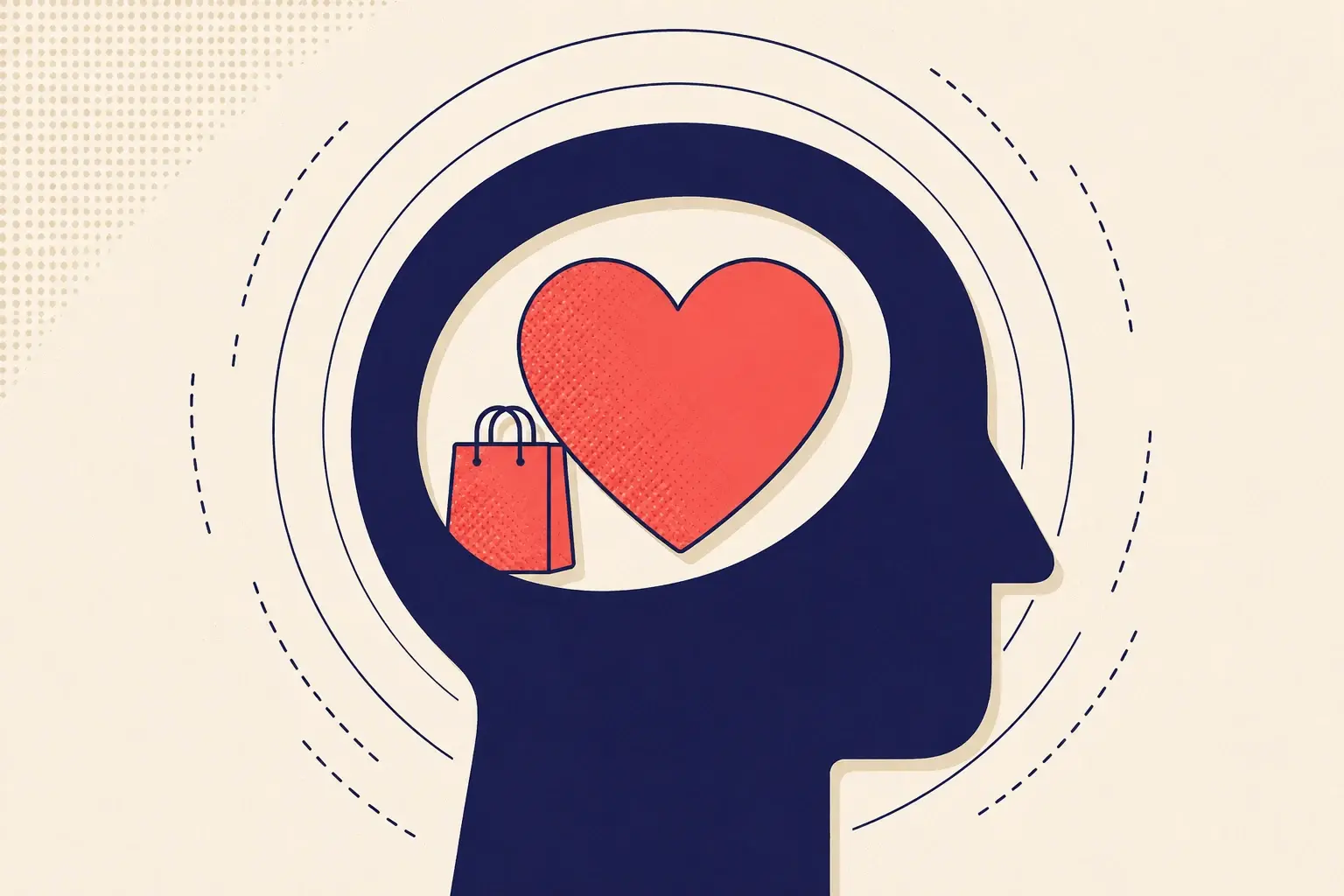
Shoppers like to believe they buy with logic — features, specs, the best price. They don't. The decision is made by feeling, and the logic gets recruited afterward to justify it. The stores that consistently convert aren't the ones with the longest spec sheets. They're the ones that understand how a purchase feels.
None of what follows is manipulation. These are the levers that have moved human decisions for as long as there have been decisions to move. The only question is whether your store uses them on purpose. Here are eight that pull real weight.
Novelty
New things trigger a small hit of dopamine — the brain is wired to pay attention to what it hasn't seen before. It's no accident that Apple doesn't really sell phones; it sells the newest phone. Every launch is staged around novelty itself.
You can use the same pull. Spotlight new arrivals, frame restocks and updates as events, and don't just list what's new — explain why a shopper needs it now. Novelty is attention you get for free; waste it by burying new products in a generic grid and you've thrown that attention away.
Storytelling
A feature list informs. A story persuades. Shoppers don't form an emotional bond with "100% organic cotton, 180gsm" — they bond with why the product exists, who made it, and what problem it was built to solve.
Tell that story on the product page, in your popups, across your emails. The origin, the obstacle, the reason you bothered. A story gives a shopper something to repeat to a friend, and a product that gets repeated is a product that sells.
FOMO and scarcity
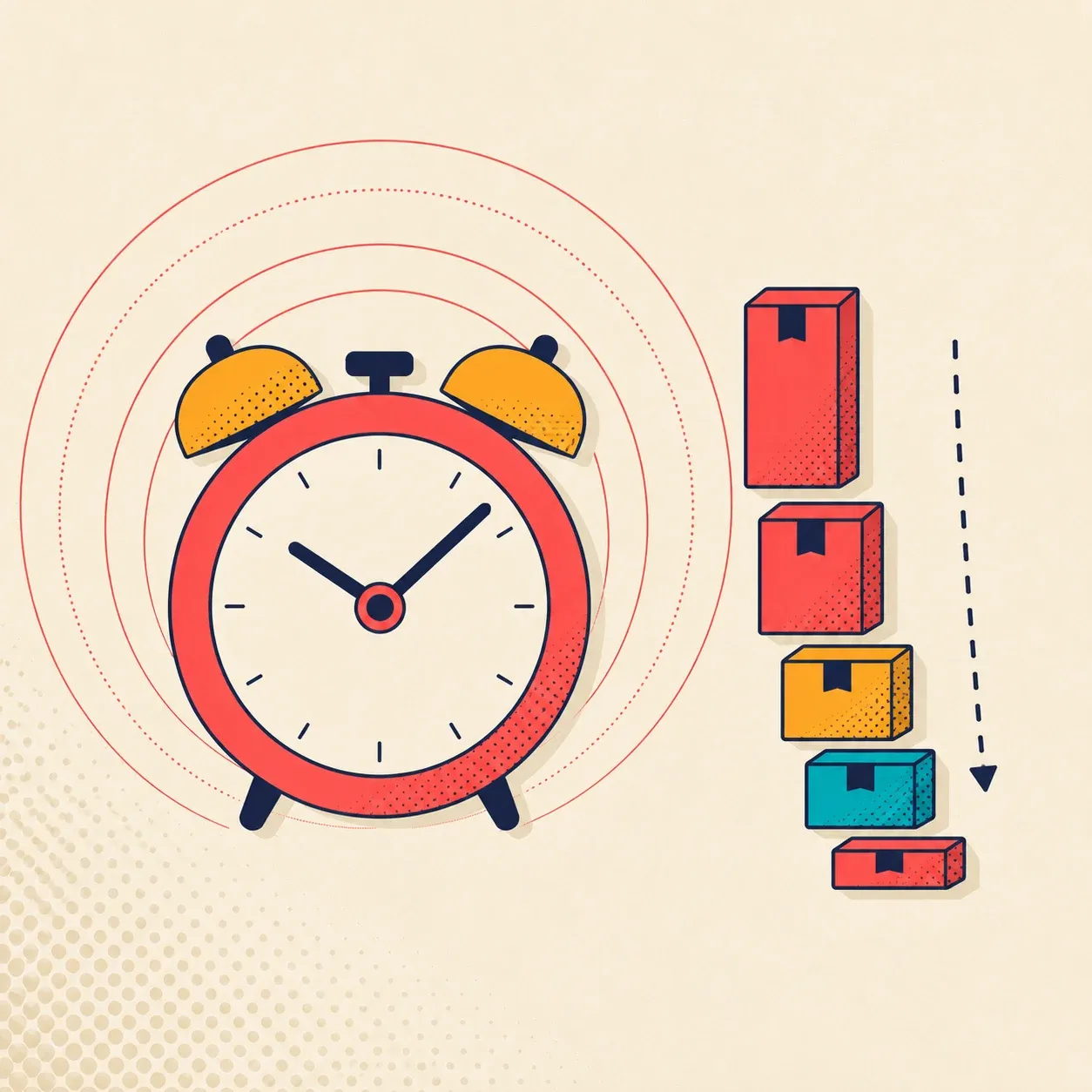
The fear of missing out is one of the sharpest motivators there is. A shopper weighing a purchase will move far faster when the window to act is visibly closing — a time-boxed offer, a low-stock count, a launch that won't be repeated.
Scarcity earns its keep at three moments in particular: product launches, cart recovery, and wishlist nudges ("the item you saved is almost gone"). The non-negotiable rule is that the scarcity must be real. A countdown that resets when the page reloads doesn't create urgency — it creates a shopper who no longer trusts you.
Exclusivity
People want what not everyone can have. Exclusivity flips a purchase from a transaction into a form of status — a premium tier, a members-only drop, early access for the people who opted in. The product is the same; the feeling of being on the inside is the upgrade.
Build a velvet rope somewhere on your store. Even a small one — early access to a sale for email subscribers — turns "buy this" into "you're one of the few who can," and that reframing converts.
Gamify the deal
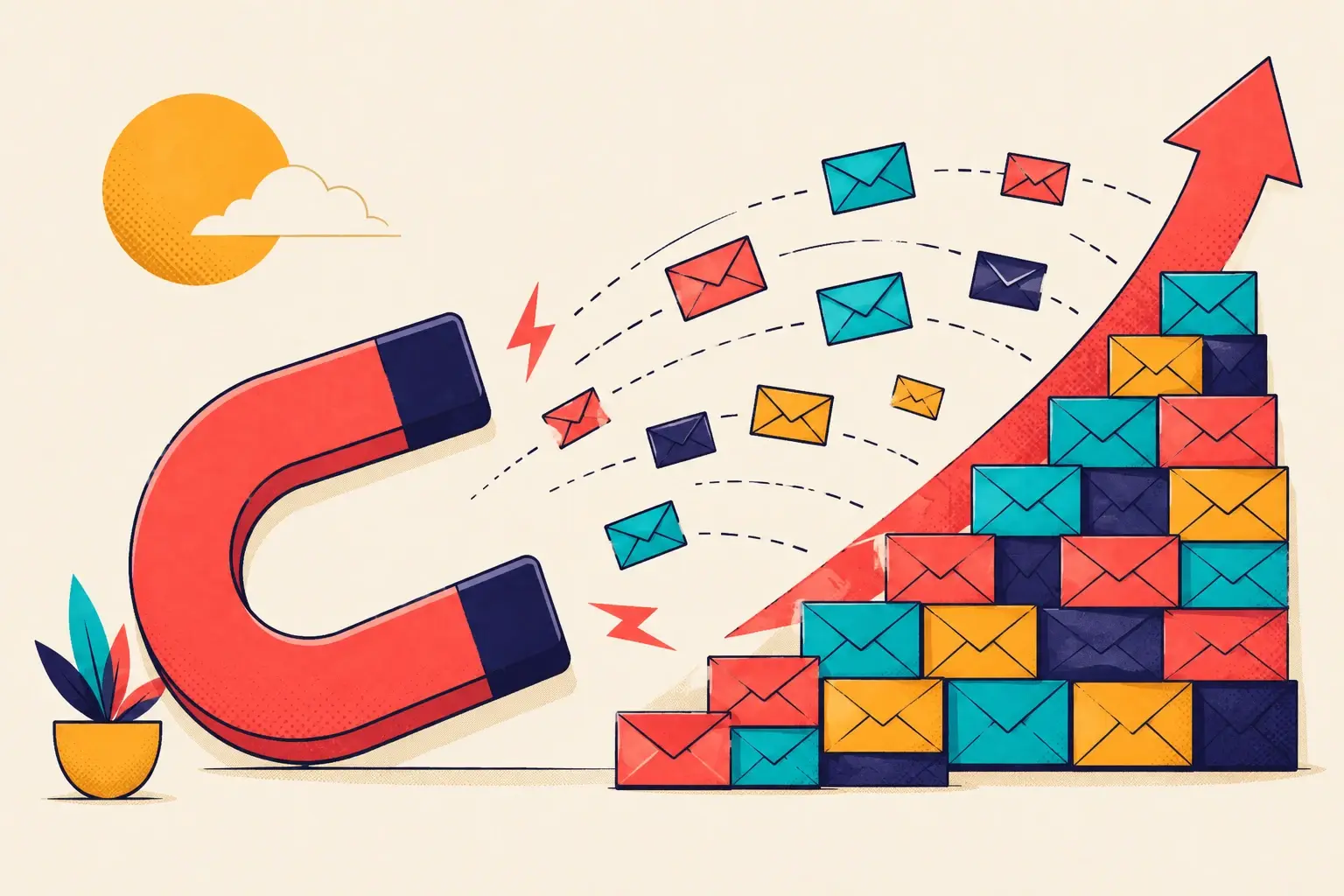
Here's the principle most stores get wrong. A discount handed straight over has almost no emotional weight — it's a number in a box, and shoppers have seen ten thousand of them. The same discount won feels earned, and an earned reward is one a shopper actually uses.
So don't just give the coupon away. Make winning it a small event: a wheel to spin, a card to scratch, a gift to pick. The shopper engages, opts in, and walks away with a discount that feels like a prize rather than an ad. Framebound built this into their store and turned discounting into one of their strongest list-building channels. The wider playbook is in gamification campaigns that drive sales.
The same coupon, two completely different feelings.
"Here's 15% off" and "You won 15% off" carry the identical number. One is a cost you absorbed; the other is a reward the shopper believes they earned. Effort makes the prize feel valuable — that's the entire psychology of gamified offers.
Turn your discount into a win.
Spin-the-wheel, scratch card, pick-a-gift — build a game that makes every coupon feel earned. No code.
Social proof
A shopper deciding alone is a shopper looking for permission. Social proof gives it. Reviews, star ratings, photos from real customers, "1,200 sold this month" — every one of them says other people like you made this choice and it worked out.
Put proof where the doubt is: on the product page near the buy button, in the cart, inside recovery emails. User-generated content carries the most weight, because it's visibly not written by your marketing team. The shopper trusts the crowd more than they trust you — so let the crowd do the talking.
Vision, mission, and reciprocity
Two more levers, both rooted in how people relate to a brand rather than a product.
Share your vision
More shoppers than ever buy on values. When a brand stands for something visible — how it sources, who it supports, what it refuses to do — shoppers who share those values don't just buy once; they become advocates. A clear mission converts a customer into a defender, and defenders are worth far more than buyers.
Reciprocity
When someone gives you something, you feel a quiet pull to give back. That instinct is reciprocity, and it's one of the most reliable forces in persuasion. A free sample, a small unexpected gift in the package, a genuinely useful guide with no ask attached — each one builds a debt the shopper is inclined to repay, often with a purchase or with loyalty.
Shoppers don't buy what they want. They buy what they feel — and the store that understands the difference wins.
Sell to the feeling
Every principle here points at the same truth: the most important thing to understand about a shopper is not what they want, but how they feel while deciding. Wanting is logic. Feeling is what actually closes the sale.
You don't need all eight at once. Pick two that fit your brand — gamified offers and social proof are a strong, low-effort start — build them in properly, and measure the lift. Then add the next. The substance of your product still has to be real; psychology only ever amplifies what's already there. But amplification, applied on purpose, is the difference between a store that converts and one that just gets traffic. For more on tailoring all of this to who's actually visiting, see convert every type of shopper.