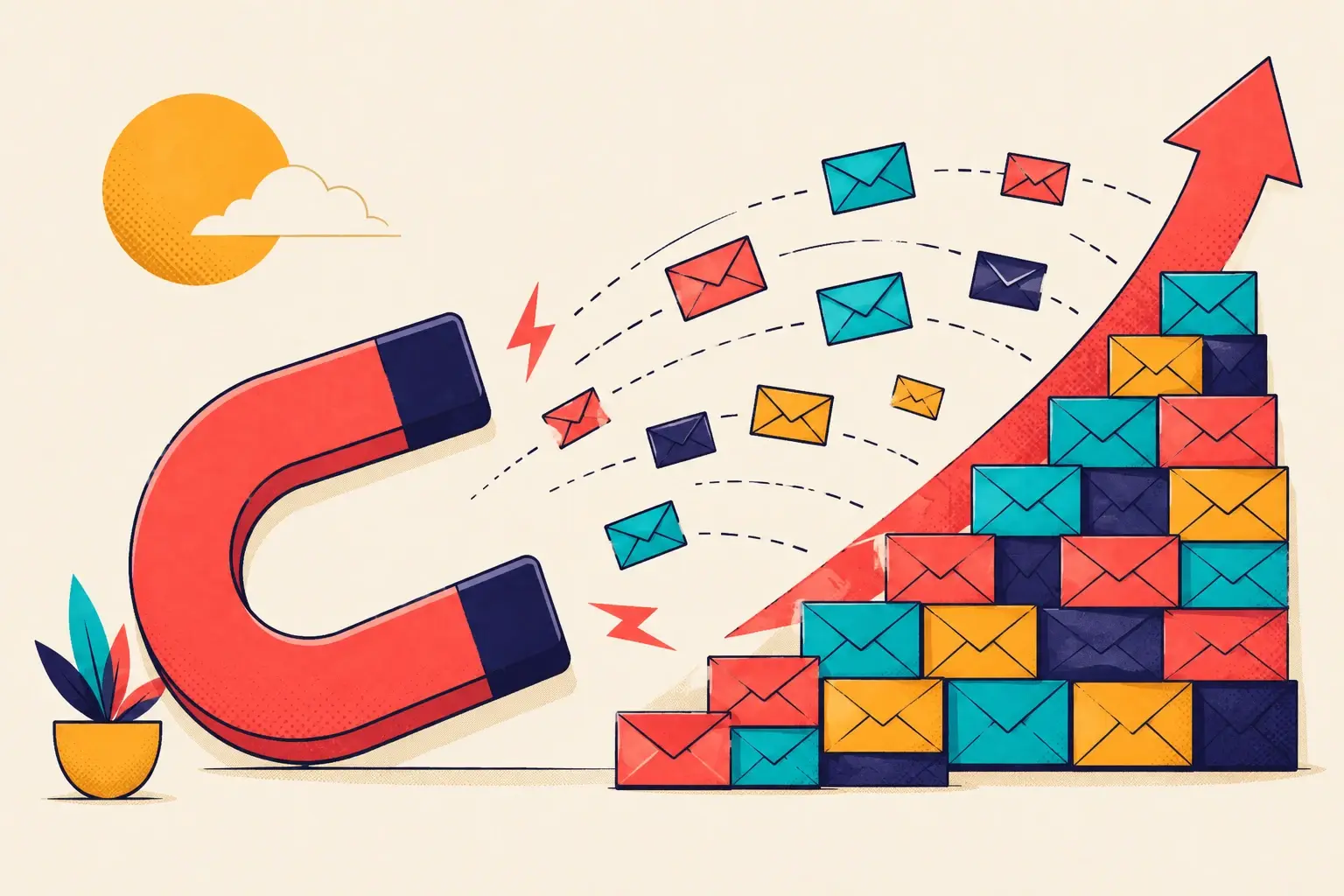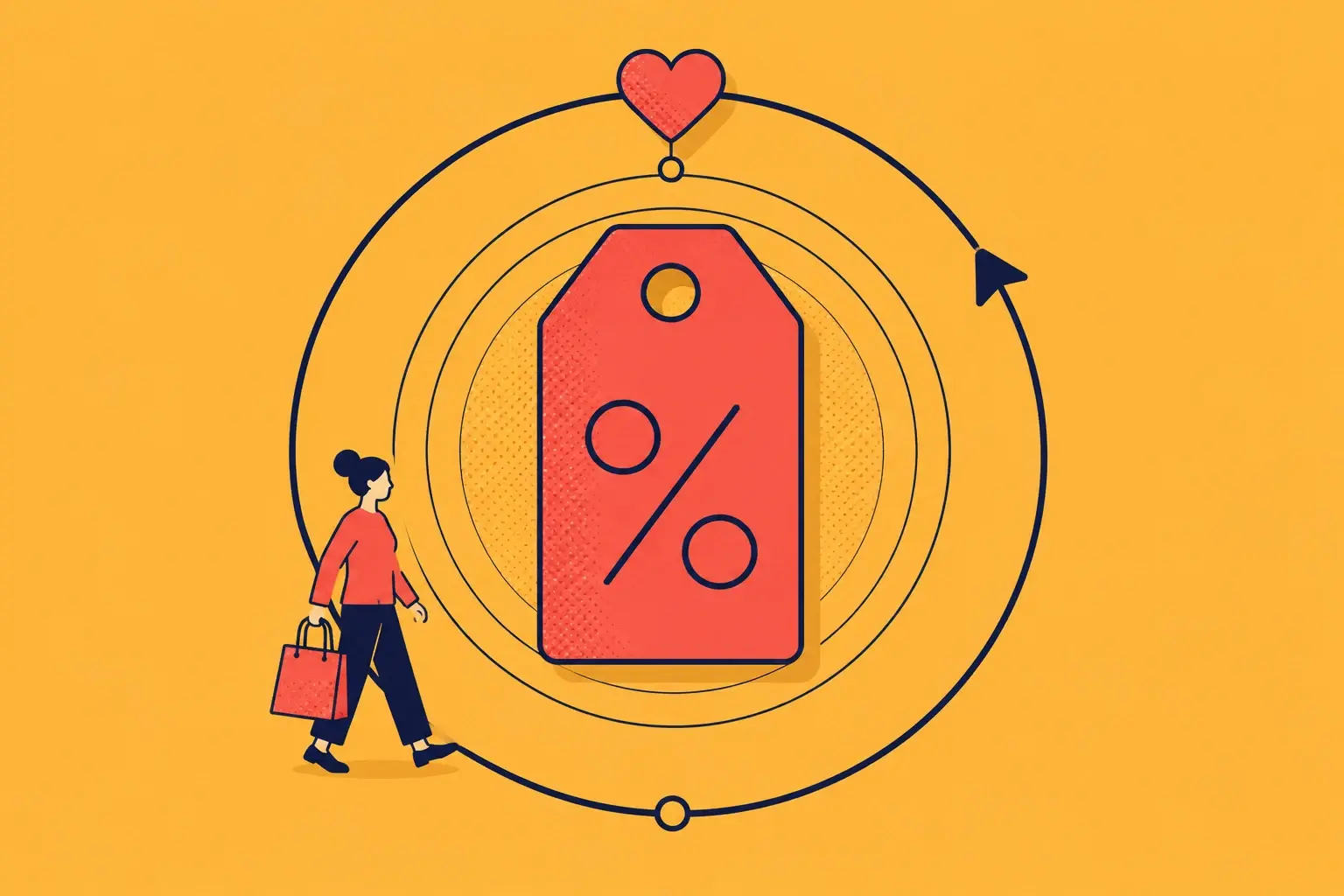
A small slice of your customers drives an outsized share of your revenue. Loyal, repeat buyers spend more, cost less to reach, and tell their friends. Discounts — used carelessly — attract the opposite kind of customer. Used well, they build the loyal kind.
The difference is intent. A discount sprayed at everyone trains shoppers to wait for the next sale. A discount aimed at a specific moment — a first visit, an abandoned cart, a referral — does a job. It rewards a behavior you want more of. Here are ten ways to point discounts at the right moment.
Welcome the first-time buyer
The first purchase is the hardest one to win — a new visitor has no reason to trust you yet. A welcome discount lowers that barrier and makes trying you cheap.
It also does double duty. Gate the discount behind an email signup and you've captured a contact and closed a first sale in one move. That email is worth more than the margin you gave up — it's a channel you own, with no algorithm in the middle. More on building that channel in how to build your email list.
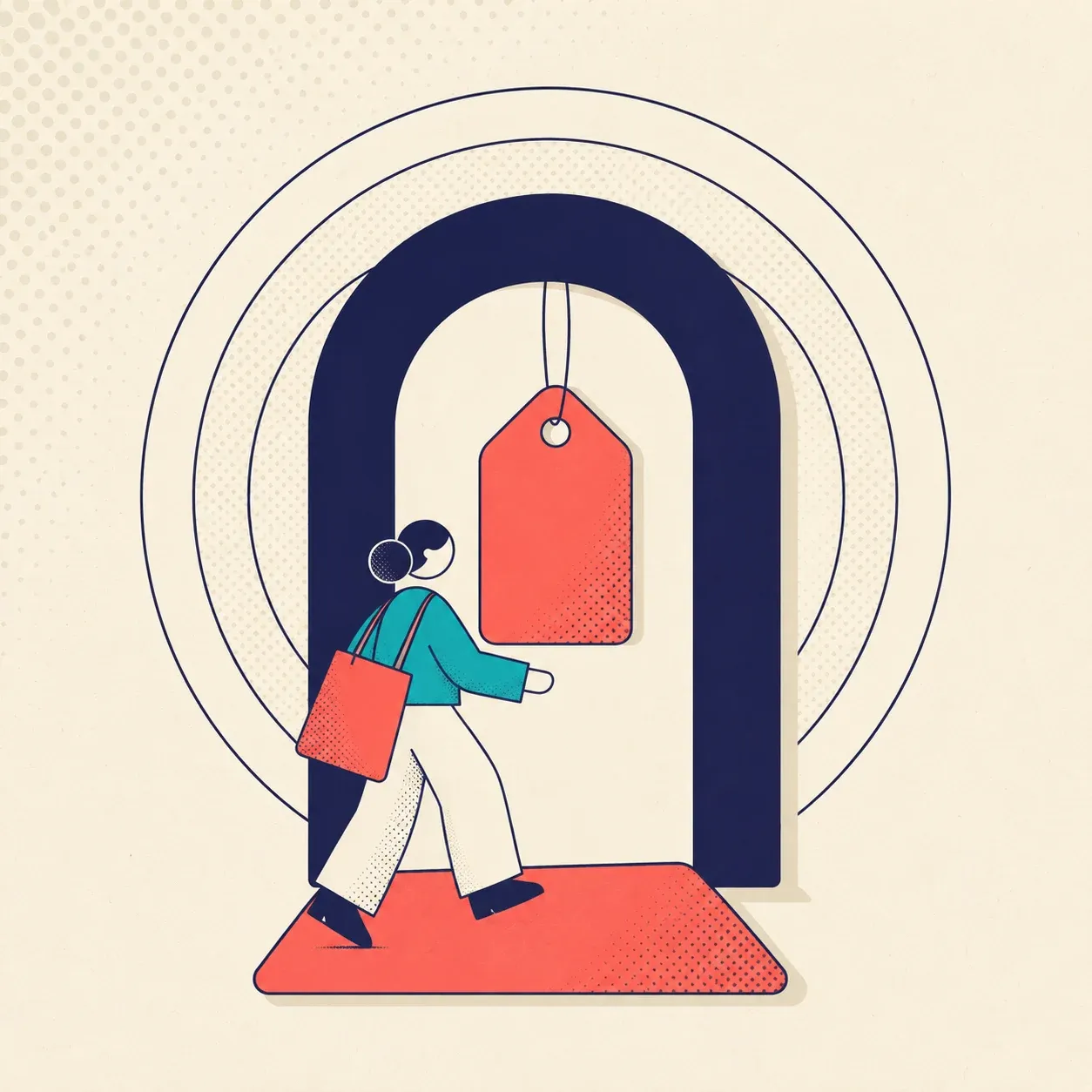
Run recurring deals
A predictable rhythm of deals gives customers a reason to come back on a schedule. Amazon's lightning deals work because shoppers know to check. A weekly or monthly recurring offer builds the same habit on your store.
The trade-off: keep it scarce and time-boxed so it stays special. A deal that's always on is just your price.
Recover abandoned carts
Most stores lose around 70% of carts before checkout. A shopper who filled a cart and left already wants the product — something small got in the way.
A time-sensitive discount, sent within 24 hours, often closes the gap. The countdown matters: "10% off, expires tomorrow" converts far better than an open-ended offer, because it forces a decision now instead of "later." We go deeper in how to reduce cart abandonment.
Turn actions into incentives
Discounts don't only have to reward purchases. Tie them to actions that grow your business: a discount for following you on social, for sharing a product, for completing a profile or leaving a review.
Each action has value beyond the immediate sale — reach, content, data, social proof. You're paying for marketing assets with margin instead of cash, and the customer gets a reward for something they were half-willing to do anyway.
Make the discount feel earned, not handed out.
A code that simply arrives feels like an ad. A code a shopper got by doing something — sharing, spinning a wheel, hitting a milestone — feels like a reward. Earned discounts get redeemed at a far higher rate than gifted ones.
Go beyond the obvious holidays
Every store discounts on Black Friday and Cyber Monday — which means every store is shouting into the same noise. The quieter wins are the off-calendar moments: a spring refresh, a back-to-school push, a slow-Tuesday flash sale, an anniversary your competitors aren't celebrating.
Seasonal offers outside the crowded windows get more attention for less spend and feel like a genuine occasion rather than a race to the bottom.
Trade a discount for an email
An email address is worth giving up margin for. Offer a discount in exchange for a signup and you build a marketing channel you own outright.
But a plain "10% off for your email" form is forgettable. Gamify it. Let the shopper spin a wheel, pick a gift, or scratch a card for their discount, and the exchange becomes something they actually want to do. The reward is variable, the interaction is fun, and the email feels like the price of playing — not a transaction.
Lifestyle brand IKONICK swapped a static email form for a woohoo game — and turned a discount giveaway into a lucky-draw shoppers lined up to play. — woohoo customer story
That's not theory. The full breakdown is in the IKONICK email list case study, and the wider playbook is in gamification campaigns that drive sales.
Turn your discount into a game they want to play.
Spin-the-wheel, scratch card, pick-a-gift, reel of coupons — build one in minutes and trade discounts for emails the fun way.
Reward referrals on both sides
A recommendation from a friend beats any ad you can buy. A referral discount makes that recommendation worth giving.
Reward both parties — a discount for the customer who refers and one for the friend who joins. The referrer feels generous instead of self-serving, the new shopper gets a reason to try you, and you've acquired a customer through your most trusted channel for the cost of two small discounts.
Make a last offer on exit
A shopper heading for the X is about to be lost for nothing. An exit-intent discount is your last sales pitch — one final reason to stay.
It costs you nothing on the visitors who were always going to buy, because they never trigger it. It only fires for the ones already leaving. Anything it recovers is pure upside. Pair it with a game and the exit becomes a moment of delight instead of a goodbye.
Celebrate customer milestones
A discount on a customer's birthday, their signup anniversary, or their tenth order feels personal in a way a blanket sale never can. It tells the customer you see them, not just their wallet.
Milestone offers are also a natural re-engagement trigger — a reason to reach a customer who's gone quiet, with a message that's welcome instead of pushy.
Use minimum-purchase discounts
"Spend $50, get 15% off" lifts order size and protects your margin in the same move. The shopper chases the threshold, adds another item, and you discount a bigger basket instead of a small one.
It pairs naturally with free-shipping thresholds — both work on the same nudge to add one more thing. More on that in how to raise your average order value.
Discounts are easy to track
The best thing about discounts: every one is measurable. Unique codes, dated campaigns, redemption rates — you can see exactly which offer worked and which trained bargain hunters.
Pick two or three of these strategies, give each a unique code, run them for a month, and read the results. Keep what builds loyalty. Cut what just buys one cheap sale. Done with intent, discounts don't erode your brand — they grow your most valuable customers.