Open any two competing stores and you'll see the same four moves: paid ads, retargeting, a discount popup, a newsletter. It works well enough that everyone does it — which is exactly the problem. A playbook everyone runs is a playbook nobody wins.
The brands that pull ahead aren't using a secret channel. They're doing something simpler and harder: they keep making customer engagement interesting. And it pays, because engaged customers — the ones who play, return, and pay attention — drive a disproportionate share of profit. A small lift in engagement moves revenue more than another retargeting tweak ever will.
Gamification is how you get that lift. Here are four campaign types that work, and — more useful — why each one works, so you can adapt them instead of copying them.
Run a contest, on-site and on social
A contest trades a small action — an email, a follow, a tagged post, a piece of feedback — for a chance to win something genuinely exciting. The key word is exciting. A 10%-off code is not a prize anyone enters a contest for. A free product, an exclusive bundle, an experience — that's a prize.
Then promote it like you mean it. A contest nobody hears about isn't a campaign. Push it across every channel you have: site banner, popup, email, every social account. The promotion is half the work.
Why it works: everyone likes a shot at free stuff. A contest costs the shopper almost nothing to enter and dangles a reward worth far more than the action you asked for. That lopsided trade is irresistible — and unlike a discount, it doesn't train shoppers to expect money off every purchase.
Gamify the coupon popup
Most stores hand coupons over like flyers — here's 10% off, please don't leave. The discount lands flat because it cost the shopper nothing, so it's worth nothing to them. Make them play for it instead.
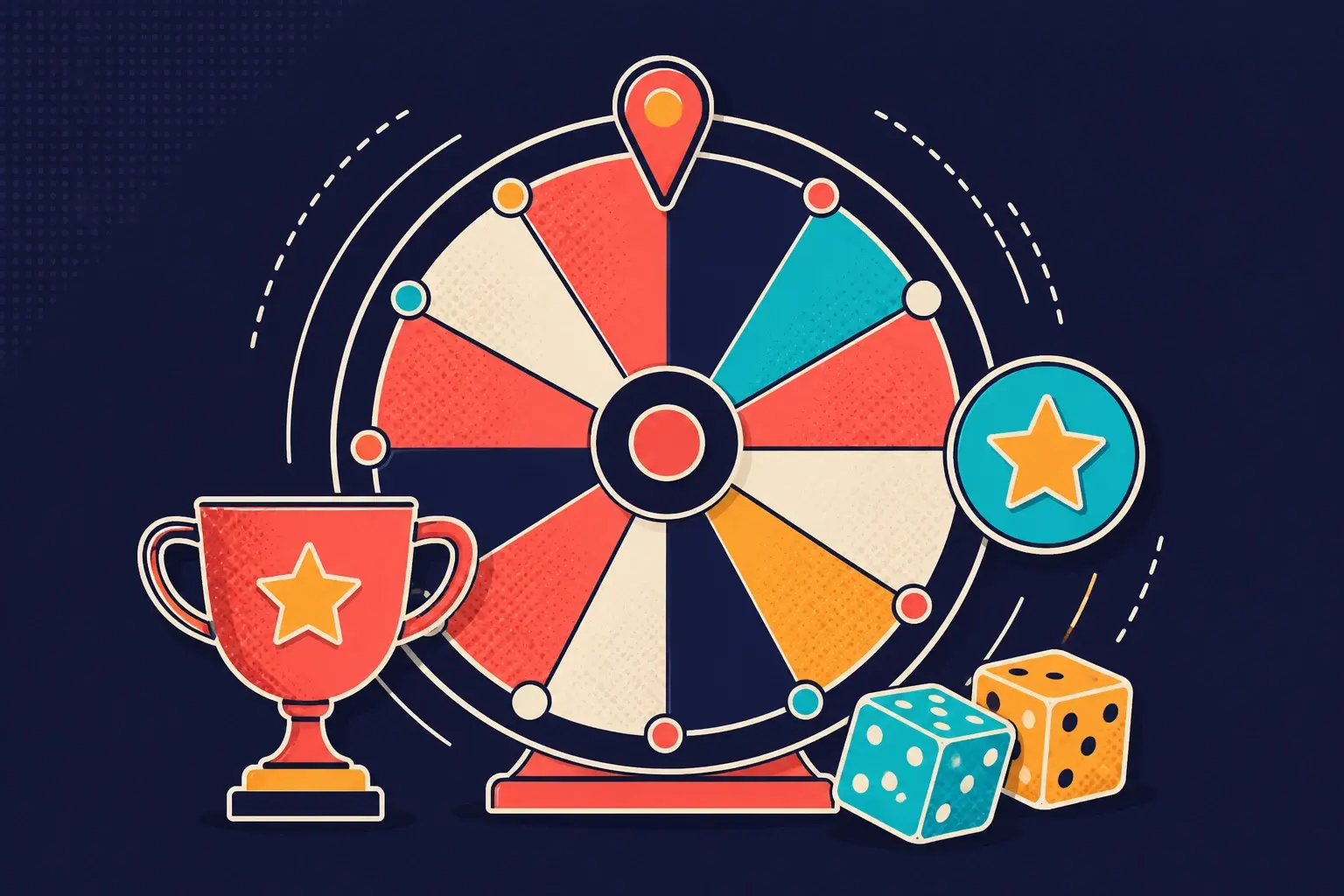
Put the coupon behind a quick game: spin-the-wheel, scratch card, pick-a-gift, or reel of coupons. The shopper enters an email, plays, and wins the code. Same discount, completely different feeling — a prize you won instead of an ad you were handed. Framebound rebuilt their email capture around exactly this and saw their capture rate climb sharply; the full story is in our Framebound case study.
Why it works: FOMO and the thrill of luck. A game introduces a chance to get lucky — to beat the odds and the next shopper to the big prize. That uncertainty is more compelling than a flat, guaranteed discount, because almost winning the jackpot is more motivating than reliably winning a small thing. We unpack the mechanics in consumer psychology for ecommerce.
Variable rewards beat fixed ones.
A fixed "10% off" has a known payoff. A wheel doesn't — you might land on 40%, you might land on "try again." Unpredictable rewards hold attention in a way predictable ones can't. It's the same mechanic behind every game that's hard to put down, and it's why a gamified popup outperforms a static one on the same traffic.
Turn your discount popup into a game.
Build a spin-the-wheel, scratch card, or pick-a-gift campaign in minutes with woohoo's drag-and-drop editor.
Run loyalty with levels and points
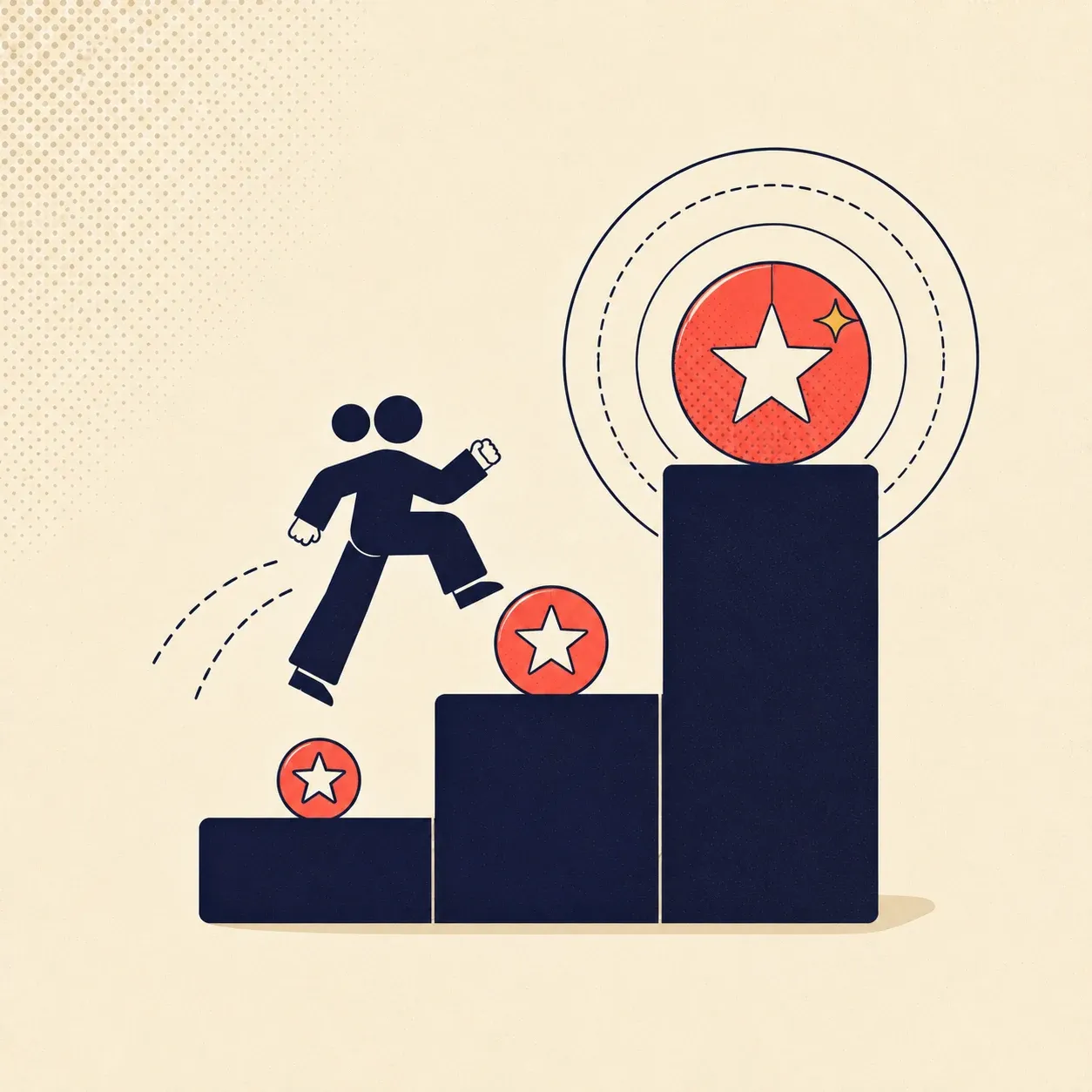
A flat loyalty program — earn points, redeem points — is fine. A tiered one is better. Add levels: as a shopper spends more, they climb, and each level unlocks better rewards than the last. Make the next tier visible, so they always know what they're climbing toward and how close they are.
Why it works: progress is a hook. Once a shopper can see the next level, an unfinished climb nags at them. They come back not just for the product but to advance — and every return visit is another chance to sell. A points balance that's almost enough for the next reward is one of the most reliable reasons a shopper places another order.
Run a scavenger hunt
This one is underused, which is half its appeal. Hide something on your site — a product image, a graphic, a code — and challenge shoppers to find it. The reward for finding it is a discount or a prize. Want more depth? Add levels: find the first item to unlock a clue to the second.
A hunt also pulls shoppers across pages they'd otherwise never see — collections, lookbooks, the about page — so it doubles as a tour of your catalog.
Why it works: discovery feels like winning. Stumbling on a hidden discount is an easter egg, not a coupon — and a reward you found yourself feels earned in a way a banner discount never does. The hunt itself is the fun; the prize just confirms it.
Gamification is competition for a better deal. The easier you make it to play, the more people play — and the more they buy.
Make participation easy
Every campaign here runs on the same engine: a sense of friendly competition for a better deal — a bigger discount, a rarer prize, a higher tier. That's what turns a passive visitor into an engaged one.
Which means the single biggest lever is friction. The easier a campaign is to join, the more people join it — and participation is what converts into sales. A contest that takes one click beats a contest that takes a form. A game that plays in two taps beats one that demands an account. Strip every step you can, then strip one more.
Pick one campaign, make it effortless to enter, and promote it everywhere. Then measure, refine, and try the next. For where to put these campaigns on your store, see 5 places to use popups on your store.