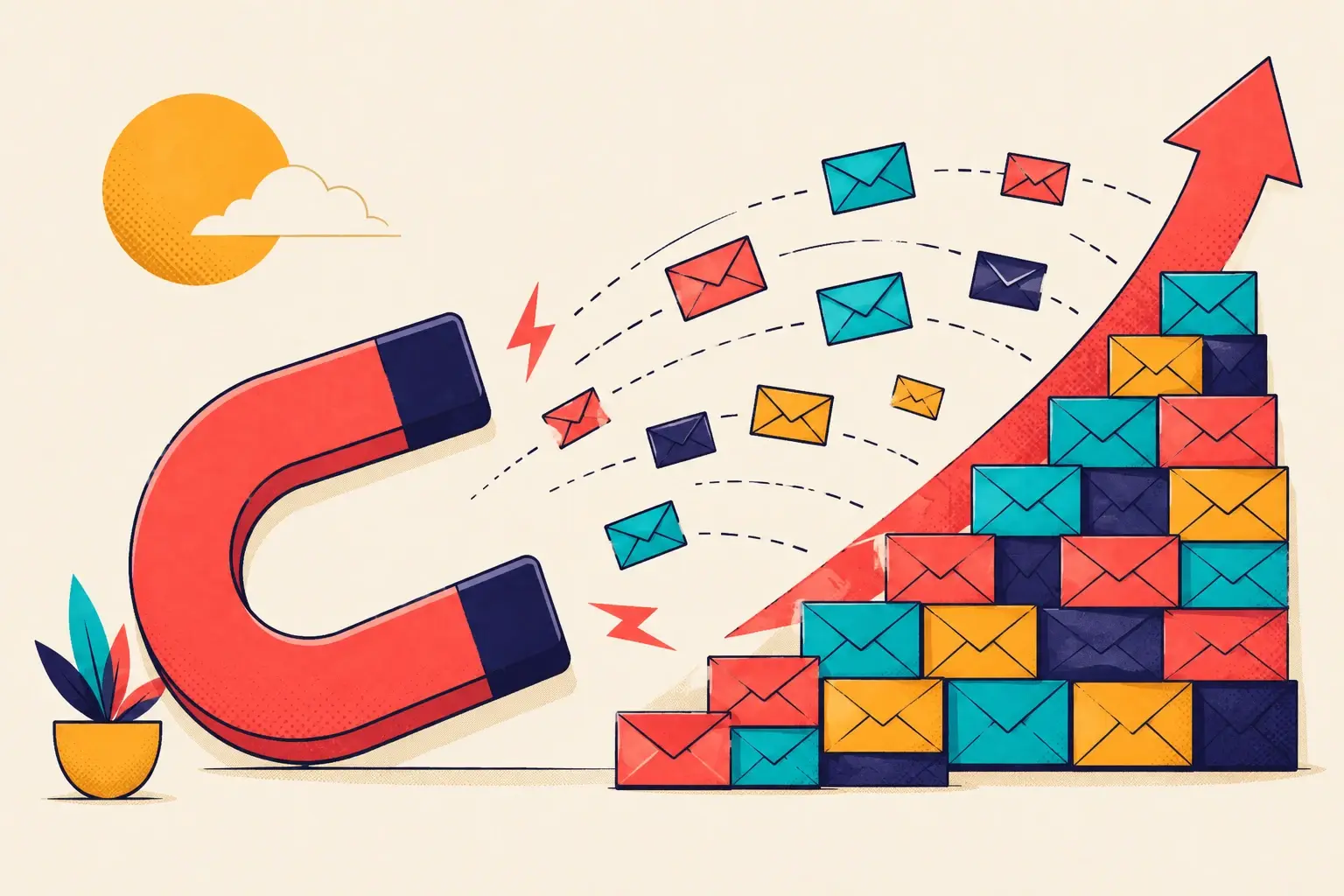
Plenty of stores run an email popup. Far fewer can tell you whether it's working. They see the signups roll in, assume it's fine, and never ask the harder question: is this popup pulling its weight, or just annoying the visitors who would have bought anyway?
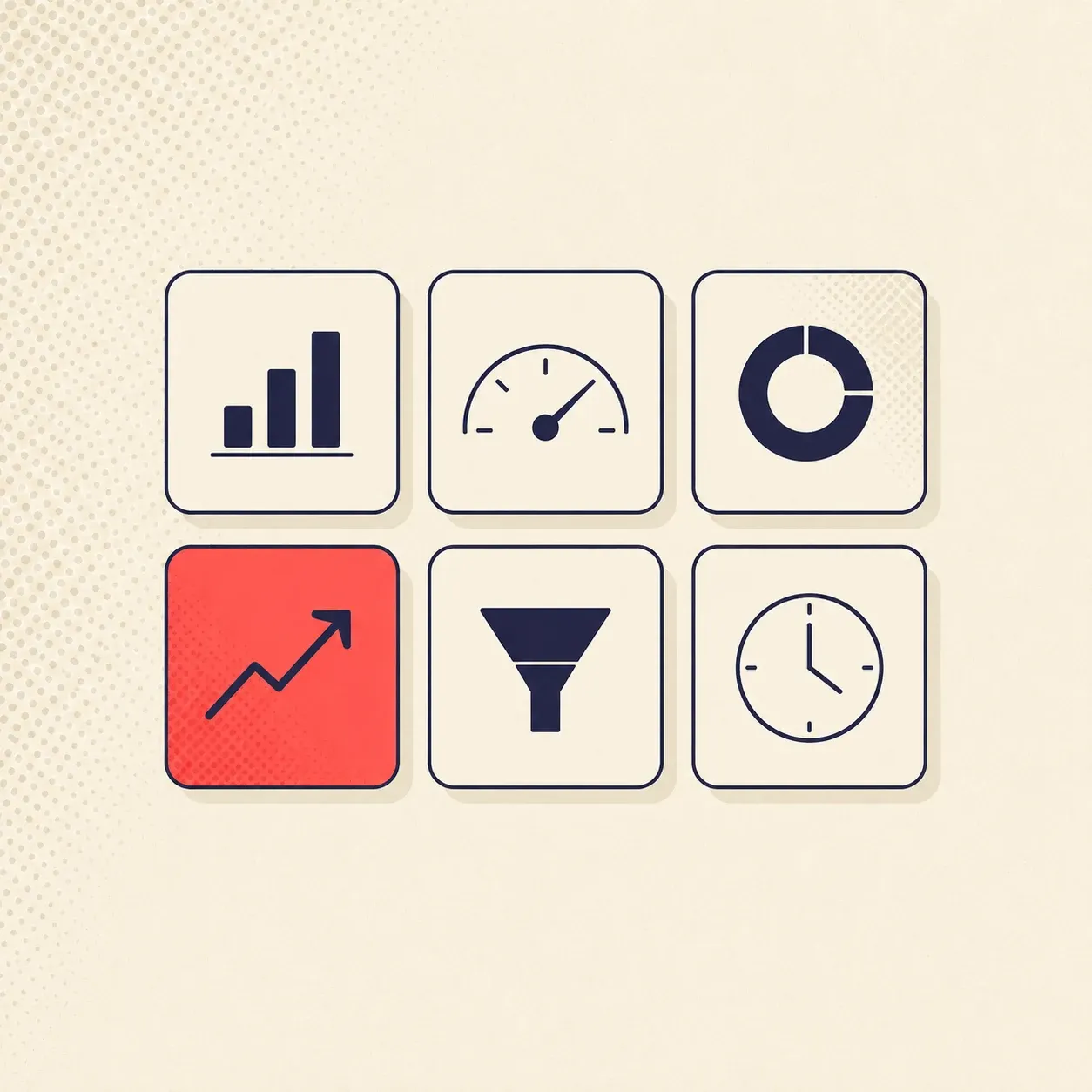
You can't answer that without numbers. A popup is a small, self-contained conversion funnel — shown, read, acted on — and every stage of it is measurable. Once you can see where visitors drop, fixing it stops being guesswork. Here are the six metrics that tell the story, and the five fixes that change it.
Six metrics worth tracking
Impressions
How many times the popup was shown. This is your top of funnel — the denominator for everything else. On its own it tells you little, but without it no other rate means anything. If impressions are low, your trigger is firing too rarely or your targeting is too narrow.
Time on popup
How long visitors stay with the popup before acting or closing. It's a proxy for attention. If almost everyone dismisses it in under a second, they're not reading it — the popup is registering as noise, not as an offer. Healthy time-on-popup means your message is at least getting considered.
Hits and conversions
How many visitors completed the goal. Define the goal first — it isn't the same for every store. For one shop the conversion is an email captured; for another it's a coupon claimed, a game played, or a product added to cart. Pick the action that matters to you, then count it honestly.
Click-through rate
The share of visitors who saw the popup and acted on it. This is the single most diagnostic number you have. A low CTR almost always means one of two things: the offer is too weak to bother with, or the message is unclear enough that visitors can't tell what they're being offered. Either way, a low CTR is a content problem, not a traffic problem.
Desktop vs. mobile
Split every metric above by device. Desktop and mobile shoppers behave differently — different attention spans, different friction, different moments of intent. A popup that converts well on desktop can quietly fail on mobile, and a blended number hides it. Always read the two separately.
Revenue
The number that ends the argument. Trace the popup through to money: hits, multiplied by how many of those coupons get redeemed, multiplied by the resulting sales. A popup with a modest CTR but high redemption can out-earn a flashy one with lots of signups that never buy. Revenue is the only metric that tells you the popup is a profit center, not a decoration.
Signups are a vanity metric until they redeem.
A popup that captures 1,000 emails and drives zero redemptions has done nothing for your revenue. Always follow the chain past the signup — to the redemption, and to the sale. That's where the popup either pays for itself or doesn't.
Five ways to lift conversion
Once the numbers show where the popup leaks, these five fixes do most of the repair work.
1. Make the offer crystal clear
A visitor should understand what they get and what it costs them within a second of the popup appearing. "15% off your first order — enter your email" is clear. Vague benefits, clever wordplay, and buried terms all push CTR down. If the offer needs explaining, it's not ready. For the wording itself, see how to write popup copy that converts.
2. One clear call to action
One popup, one action. The moment you ask a visitor to choose — sign up or shop the sale or follow on social — you've added a decision, and decisions cost conversions. Strip it to a single button with a single job. Everything else is a distraction.
3. Time the popup well
The right offer at the wrong moment still fails. Match the trigger to the intent:
- Welcome offer — on page load, or shortly after, while the visitor is fresh.
- Cart recovery — on exit intent, the moment they move to leave with items in the cart.
- Deal or promotion — after a time delay or a few pageviews, once the visitor has shown they're engaged.
A behavior-based trigger almost always beats a blunt timer. More on placement in 5 places to use popups on your store.
See every metric in real time.
woohoo's dashboard tracks impressions, CTR, redemptions, device split, and revenue live — so you can read the funnel and fix it as you go.
4. Gamify the interaction
A static form asks the visitor to give before they get. A game flips that. Let them spin a wheel, scratch a card, or pick a gift, and the popup becomes something they want to engage with — the email is just the price of playing.
The mechanics matter. A variable reward, an outcome that feels earned, the small commitment of one click — they pull on real psychology, and they lift both CTR and redemption. Visitors who won their discount redeem it far more often than visitors who were simply handed one. The full playbook is in gamification campaigns that drive sales.
A discount handed to you reads like an ad. A discount you won by spinning a wheel reads like a prize — and prizes get redeemed.
5. Optimize continually
There is no one-size-fits-all popup. The offer, headline, timing, and design that win on your store are specific to your store, and they drift as your traffic and catalog change. Treat the popup as a living test: change one variable, watch the metrics, keep what wins. A popup you set once and forget is a popup slowly going stale.
Measure, then move
The stores that win with popups aren't the ones with the cleverest copy. They're the ones who actually read the numbers — impressions, time on popup, CTR, device split, redemptions, revenue — and act on what they see.
Start there. Pull your six metrics, find the weakest stage of the funnel, apply the fix that targets it, and re-measure in two weeks. A popup that's watched and adjusted will always beat one that's launched and abandoned. For the metrics you should ignore, see your popup isn't dead, your strategy is.