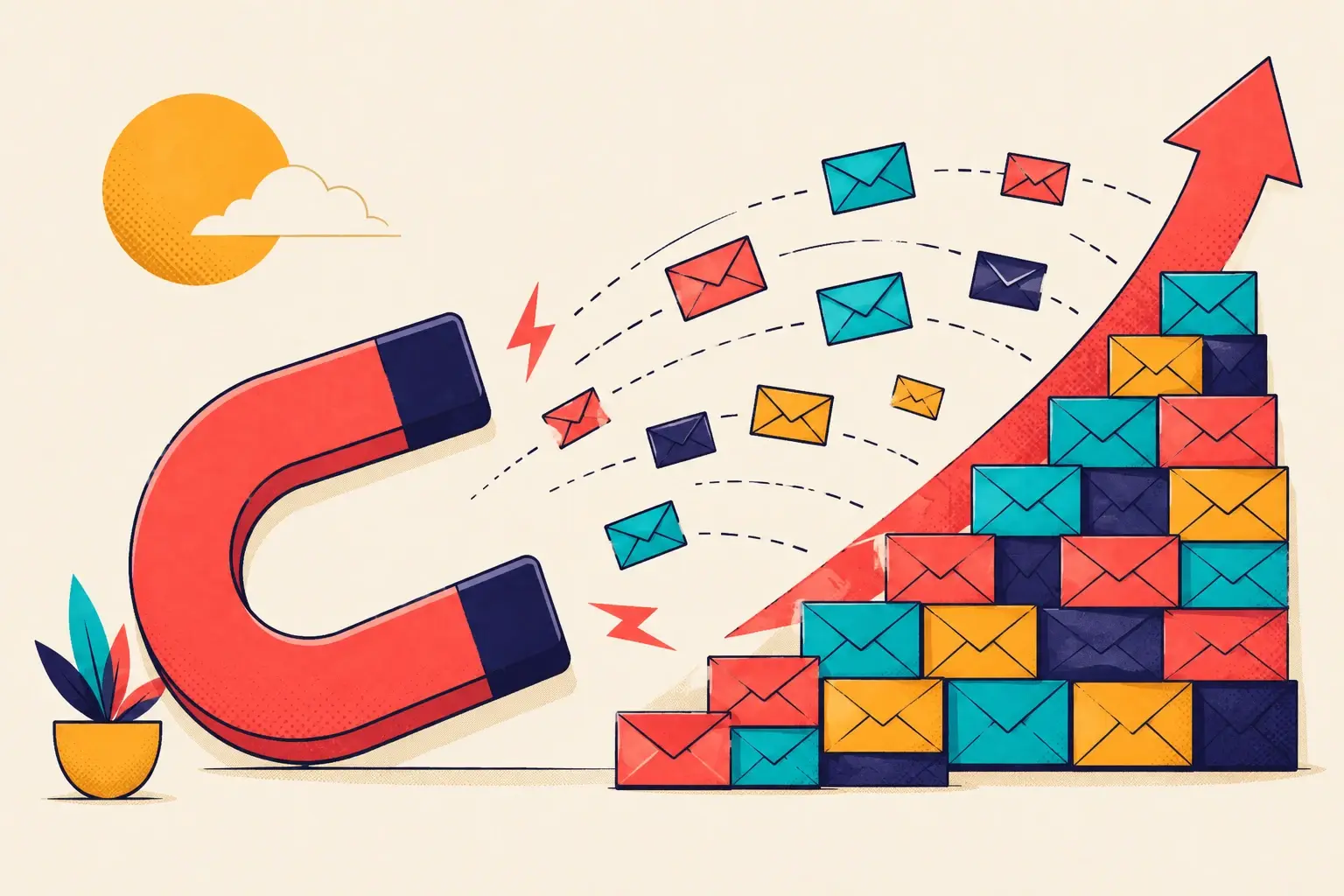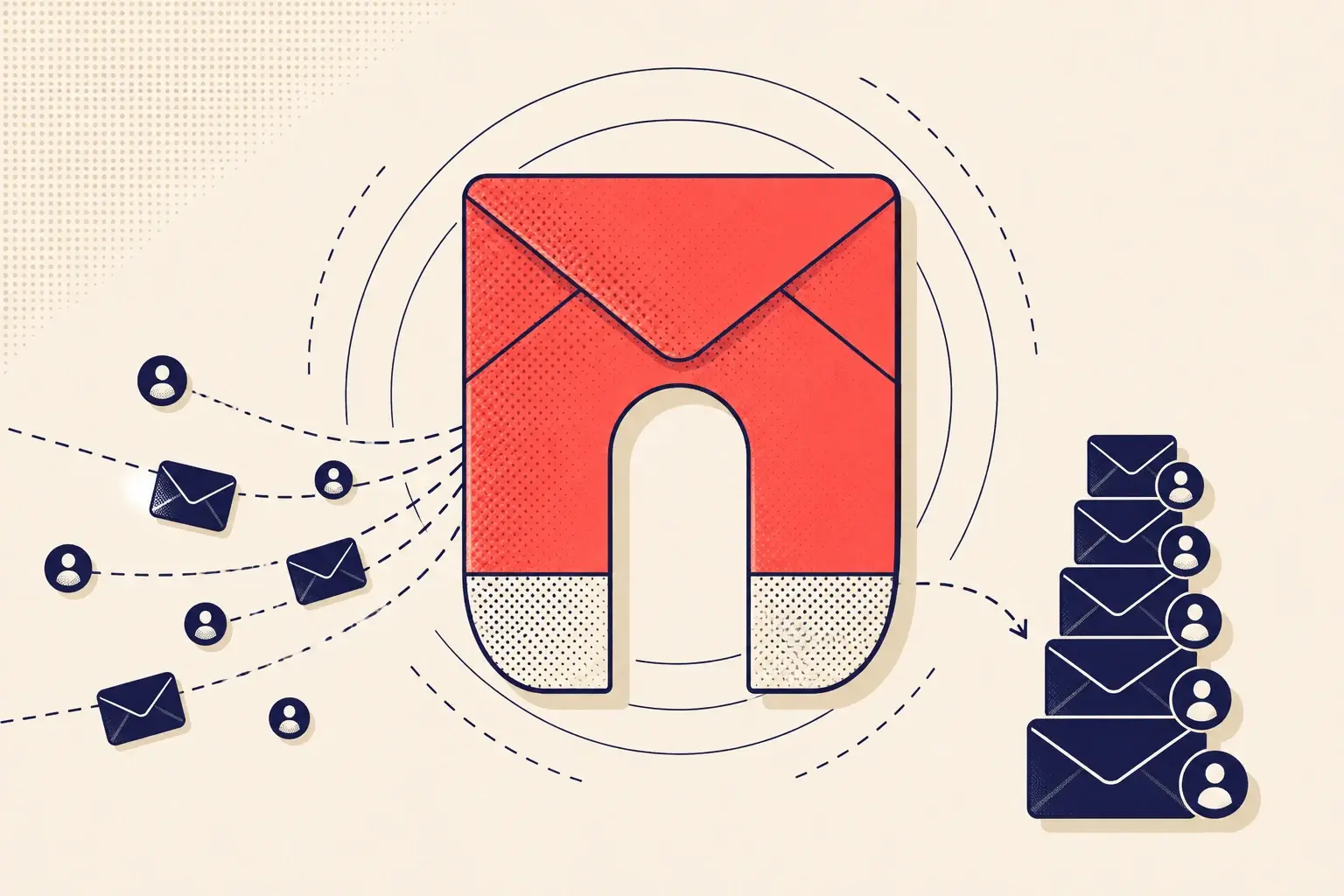
Every channel you can buy gets more expensive every quarter. The one you own — your email list — doesn't. That's why email still posts the best return of any channel in ecommerce. The problem isn't the channel. The problem is getting anyone to join it.
Shoppers know what an inbox costs them now. They've been burned by stores that promised one discount and delivered four emails a week. And there are more stores competing for the same address than ever. A plain "enter your email for 10% off" box used to be enough. Today it's wallpaper — visitors close it before they read it.
So the question isn't whether to build a list. It's how to earn the address instead of begging for it. Here are five tactics that do exactly that.
Gamify the popup
The standard list-building popup asks the visitor to make a decision — trade my email for a discount, yes or no — and most of them answer no. A gamified popup changes the question. Instead of "give us your email," it's "want to play?"
Swap the form for a quick game — spin-the-wheel, a scratch card, pick-a-gift, reel of coupons. The visitor enters an email to play, plays, and wins the code. Same email captured, but the discount now feels earned rather than handed over. That shift does real work: a coupon you won is one you actually use.
It works on first-time visitors, who get a reason to engage before they've decided anything about your brand. And it works on returning visitors, who've already tuned out your static popup but will still take a spin. If you only change one thing on this list, change this one. We go deeper on why in your popup isn't dead, your strategy is.
The game lowers the cost of the first click.
A form asks for commitment up front. A game lets the visitor say "yes" to something small — a spin — and the email becomes a side effect of an action they already wanted to take. That's the whole mechanism. The fun is a bonus; the lower friction is the point.
Sell the inside circle
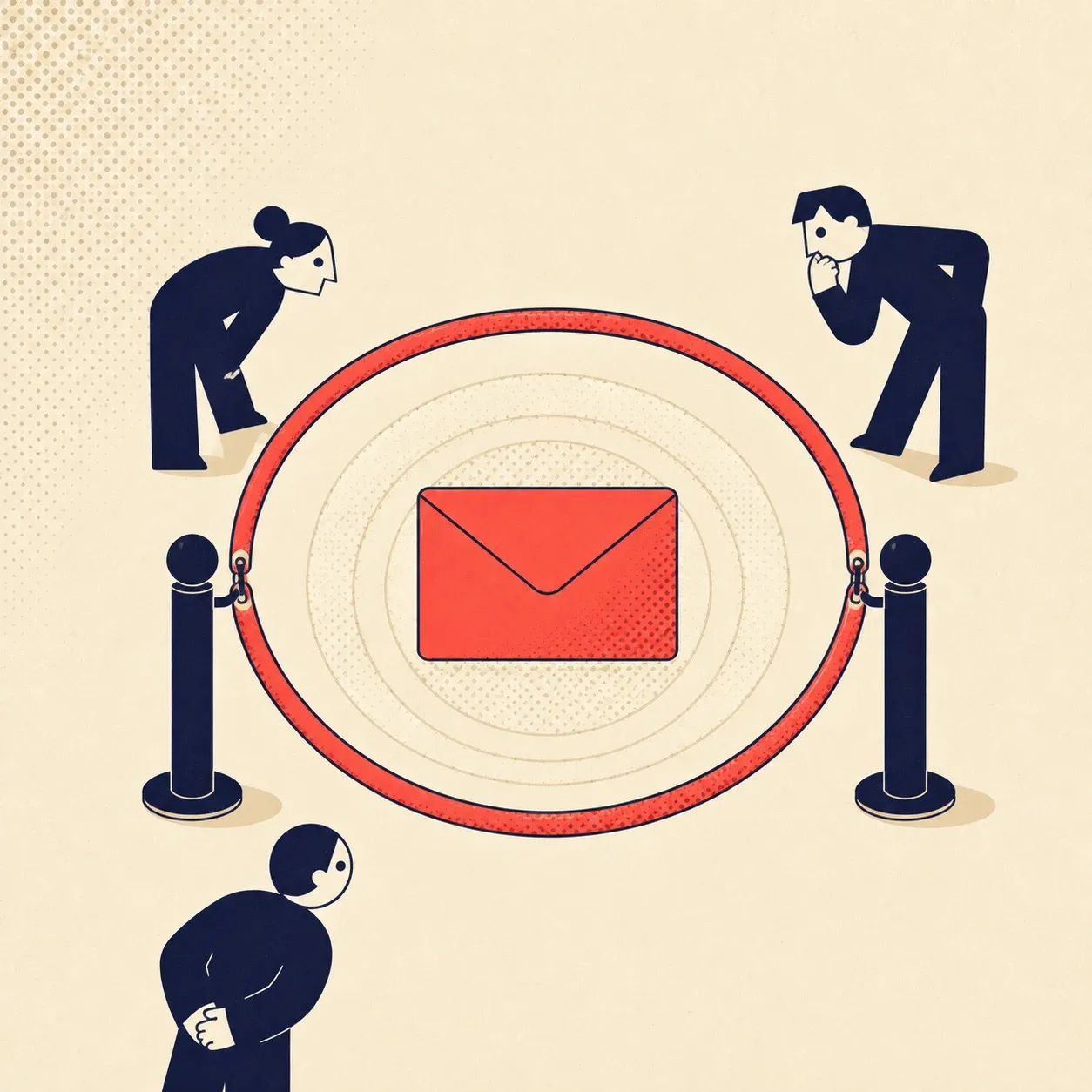
"Subscribe to our newsletter" describes a chore. Nobody wants more newsletters. Reframe the list as something a shopper would actually want to be part of: an inside circle that gets there first.
Your copy should make membership feel like access, not obligation. Subscribers get first look at new drops. They hear about sales before the public does. They get a shot at limited-stock products that sell out before they ever hit the homepage. None of that requires you to discount more — it just requires you to time information so the list is genuinely ahead of everyone else.
When the list is a real advantage, the ask stops being "do me a favor" and becomes "don't miss out." For more on framing offers without racing to the bottom, see 10 discount strategies that build loyalty.
Turn customers into recruiters
Your happiest customers already know people who'd like your store. A referral program gives them a reason to make the introduction — store credit, a discount, a free item — every time a friend they invited signs up or buys.
Two rules make or break it. First, the messaging has to be crystal clear: what the referrer gets, what the friend gets, and exactly how to share. Confusion kills referral programs faster than weak incentives do. Second, reward both sides. If only the existing customer benefits, the invited shopper has no reason to act on the link — and you've captured nothing. Give the new shopper a welcome offer and you turn one email into two.
Capture emails people want to give.
Build a gamified email popup in minutes — spin-the-wheel, scratch card, pick-a-gift — with woohoo's drag-and-drop editor.
Collect emails through loyalty
A loyalty program rewards repeat purchases — points, perks, tiers. But it's also a list-building tool, and a sneaky-good one, because of how the email gets collected.
You don't open with "subscribe." You open with "here's a reward you've earned." To deliver the perk — points balance, a birthday gift, an unlocked tier — you need somewhere to send it. The email becomes a logistics detail in a transaction the shopper already wants, not a separate ask they can refuse. The shopper hands it over without thinking of it as "joining a list," which is precisely why it works.
Offer a smaller yes
Some visitors aren't ready to give you an email no matter how good the offer is. Don't lose them — offer a smaller commitment instead.
Web push notifications are a lighter yes. One browser click, no inbox exposed, no address typed. The shopper can opt in without trusting you with much. That gives you a channel to reach them, build a little trust, and — once they've seen you keep your messaging useful — ask for the email later, when the answer is more likely to be yes.
Think of it as a ladder. Not every visitor will climb to the top rung on the first visit. Give them a lower rung to stand on.
The brands with the biggest lists didn't find one perfect tactic. They never stopped testing new ones.
Never stop building
A list isn't a project you finish. Subscribers churn, go cold, change addresses. The brands with the biggest, healthiest lists treat list-building as an ongoing experiment — running a gamified popup and a referral program and push notifications at once, measuring each, and folding in new tactics as shopper behavior shifts.
Start with the gamified popup, because it's the fastest lift for the least effort. Layer the others on as you go. And keep testing — the playbook that works today will need a refresh, and the stores that keep building are the ones still standing when it does.